
Was ist eine IBAN-Nummer – und wie finden Sie sie?
 Zurück
Wichtige Erkenntnisse:
IBAN steht für International Bank Account Number. Sie ist für grenzüberschreitende Überweisungen unverzichtbar.
Sie umfasst Ländercode, Prüfziffern, Bankcode und Kontonummer.
IBANs finden Sie auf persönlichen Bankauszügen und im Online-Banking. Auch der Anbieter selbst gibt sie weiter.
86 Länder nutzen IBANs zur Verbesserung der Genauigkeit internationaler Zahlungen.
Ein einziges falsches Zeichen in einer IBAN kann Verzögerungen, abgelehnte Überweisungen oder gar den Verlust von Geldern bedeuten. Wer als Unternehmen oder Privatperson grenzüberschreitend Geld sendet, sollte Bedeutung, Aufbau und Funktion der IBAN kennen.
Dieser Leitfaden erklärt, wie das System funktioniert, wie Sie Ihre IBAN finden und sie korrekt nutzen, damit Zahlungen sicher und pünktlich ankommen.
Dieser Leitfaden erklärt, wie das System funktioniert, wie Sie Ihre IBAN finden und sie korrekt nutzen, damit Zahlungen sicher und pünktlich ankommen.
Was ist eine IBAN?
Die IBAN steht für International Bank Account Number. Ursprünglich 1997 in Europa entwickelt, ist das IBAN-Format heute in über 80 Ländern eingeführt.Sie bündelt zentrale Kontoangaben in einem strukturierten Format und ermöglicht es Banken und Finanzinstituten, internationale Zahlungen automatisiert zu validieren und zu routen. Ohne sie können Überweisungen verzögert, abgelehnt oder fehlgeleitet werden.
Was bedeutet IBAN? Jede IBAN ist für den Kontoinhaber eindeutig und enthält Informationen wie Land, Bank und Filiale sowie die individuelle Kontonummer. Das standardisierte Format senkt das Risiko menschlicher Fehler – Gelder gelangen schnell und sicher an den richtigen Empfänger.
Aufbau einer IBAN
Eine IBAN umfasst bis zu 34 alphanumerische Zeichen, die sich aus mehreren Komponenten zusammensetzen:- Ländercode: Ein zweibuchstabiger ISO-Code, der das Land des Kontos angibt (z. B. CH für die Schweiz, FR für Frankreich).
- Prüfziffern: Zwei Ziffern, mit denen Banken die IBAN vor der Verarbeitung auf Gültigkeit prüfen.
- Bankidentifikation: Eine Buchstaben-/Ziffernfolge, die das Finanzinstitut identifiziert – häufig inklusive Bank- und Filialcode.
- Kontonummer: Die nationale Kontonummer oder Basic Bank Account Number (BBAN), die das Kundenkonto innerhalb der Bank identifiziert.
Beispiel einer IBAN
Zwei Beispiele zeigen, wie das Format je nach Land variiert:| Schweiz CH7431101111011000246
| Frankreich FR7630006000011234567890189
|
Ist eine IBAN dasselbe wie ein SWIFT-Code?
Sie sind ähnlich, aber nicht identisch. Ein SWIFT-Code, auch BIC genannt, leitet die Zahlung an eine bestimmte Bank; eine IBAN bezeichnet das genaue Konto bei diesem Institut.Bildlich gesprochen: Der SWIFT/BIC leitet die Nachricht zum richtigen Gebäude, die IBAN zur richtigen Tür.
| Merkmal | IBAN | SWIFT/BIC-Code |
|---|---|---|
| Ursprung | Ende der 1990er-Jahre von der EU eingeführt, um grenzüberschreitende Euro-Zahlungen zu standardisieren. | In den 1970er-Jahren von der SWIFT-Organisation entwickelt, um unzuverlässige Telegrammüberweisungen zu ersetzen. |
| Verwendung | In über 80 Ländern, darunter die meisten europäischen Länder, der Nahe Osten und Teile Afrikas. | Weltweit. Fast alle internationalen Überweisungen erfordern einen SWIFT/BIC, auch wenn zusätzlich eine IBAN vorliegt. |
| Format-Standard | ISO 13616. | ISO 9362. |
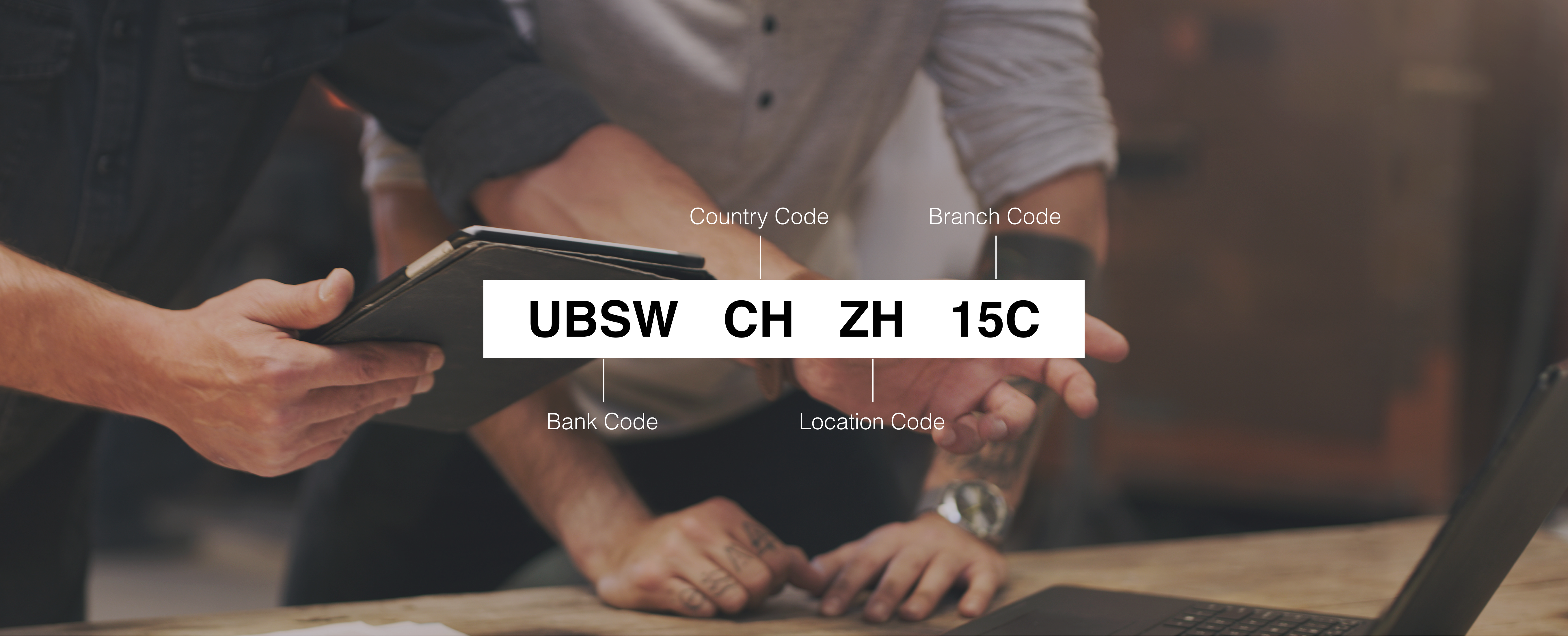
| Aufbau | Bis zu 34 alphanumerische Zeichen: 2-stelliger Ländercode 2 Prüfziffern bis zu 30-stellige Basic Bank Account Number (BBAN). | 8 oder 11 alphanumerische Zeichen: 4 Buchstaben (Bankcode) 2 Buchstaben (Ländercode) 2 Buchstaben/Ziffern (Ortscode) optional 3 Buchstaben/Ziffern (Filialcode). |
| Zweck | Standardisiertes Format zur internationalen Identifikation eines bestimmten Bankkontos. | Eindeutige Kennung einer Bank oder Filiale im SWIFT-Netzwerk. |
| Rolle bei Überweisungen | Reduziert Formatierungsfehler und stellt sicher, dass Gelder auf dem richtigen Konto gutgeschrieben werden. | Leitet Zahlungen durch die richtige Bank im globalen Netzwerk, bevor sie das Empfängerkonto erreichen. |
Warum brauche ich eine IBAN?
Ein Konto mit eigener IBAN ist für global tätige Unternehmen unverzichtbar. Es stellt sicher, dass Mittel beim richtigen Empfänger ankommen, indem Land, Bank und Konto eindeutig identifiziert werden. Für Unternehmen reduziert die IBAN Fehler, beschleunigt die Abstimmung und unterstützt die Einhaltung globaler Zahlungsstandards.So finden und prüfen Sie eine IBAN
Bevor Sie eine internationale Zahlung senden oder empfangen, sollten Sie Ihre IBAN finden und verifizieren. Nachfolgend einige Tipps.Kontoauszug prüfen
Am schnellsten finden Sie Ihre IBAN auf dem Kontoauszug. Die meisten Institute weisen sie in der Kontoübersicht neben Name, Kontonummer und BIC/SWIFT-Code aus. Das gilt für gedruckte wie für PDF-Auszüge.Im Online-Banking nachsehen
Melden Sie sich im Online-Banking oder in der Mobile-App an. Die IBAN steht in der Regel in den Kontodetails – prüfen Sie den Bereich für internationale Überweisungen. Manche Banken bieten eine Kopierfunktion, um die IBAN bei Zahlungen direkt einzufügen.Bank kontaktieren
Wenn Sie Ihre IBAN nicht finden, wenden Sie sich an Ihre Bank. Rufen Sie an oder schreiben Sie über App oder Website. Mitarbeitende können die korrekte IBAN bestätigen und Fehler vermeiden helfen.Länge der IBAN prüfen
Jedes Land hat eine feste IBAN-Länge – etwa 22 Zeichen im Vereinigten Königreich, 27 in Frankreich und 21 in der Schweiz. Stimmt Ihre IBAN nicht mit dem Länderstandard überein, bestätigen Sie sie bei Ihrem Anbieter.Was passiert bei einer falschen IBAN?
Eine falsche IBAN kann ernsthafte Probleme verursachen. Meist wird die Zahlung automatisch zurückgewiesen und an den Absender zurückgeleitet – aber nicht immer.Ist die falsche IBAN dennoch gültig und einem anderen Konto zugeordnet, können die Mittel an eine andere Person gehen. Alternativ wird die Transaktion zurückgehalten, während die Bank den Sachverhalt klärt.
Solche Verzögerungen reichen von wenigen Stunden bis zu mehreren Tagen – je nach Anbieter und Land. Um Störungen und Gebühren zu vermeiden, prüfen Sie die IBAN immer doppelt.
Welche Länder nutzen IBANs?
Aktuell nutzen 86 Länder das IBAN-System für den grenzüberschreitenden Zahlungsverkehr – darunter alle EU- und EWR-Staaten sowie Länder im Nahen Osten, in Nordafrika und in Teilen der Karibik und Südamerikas. Beispiele:- Deutschland: DE89370400440532013000
- Frankreich: FR7630006000011234567890189
- Vereinigte Arabische Emirate: AE070331234567890123456
Länder wie die USA, Kanada, Australien und der grösste Teil Asiens nutzen keine IBAN; sie setzen auf alternative Systeme wie SWIFT/BIC und lokale Routing-Nummern.
Wie lange dauert eine internationale Überweisung?
Internationale Überweisungen dauern in der Regel 1 bis 5 Geschäftstage – abhängig von Währungen, Zielland und beteiligten Banken. Zeitzonen, Compliance-Prüfungen oder Feiertage können zu Verzögerungen führen.Ein virtuelles IBAN-Konto bei Bivial spart Zeit. Sie erhalten eindeutige IBAN für jeden Kunden oder Zahlungsstrom, was die Abstimmung sofort ermöglicht. Zahlungen treffen schneller ein und der manuelle Aufwand sinkt.